
Commodities | 10:30 AM
War shocks expand beyond oil; Middle East conflict impacts on metals; boost to EV demand; headwinds for aluminium.
- Shocks expand beyond oil, reshaping the commodity outlook
- Demand risks for metals replace supply concerns
- Energy crisis could accelerate structural shift to EVs
- Aluminium hit by supply disruptions and rising costs
By Mark Woodruff
Shocks expand beyond oil, reshaping the commodity outlook
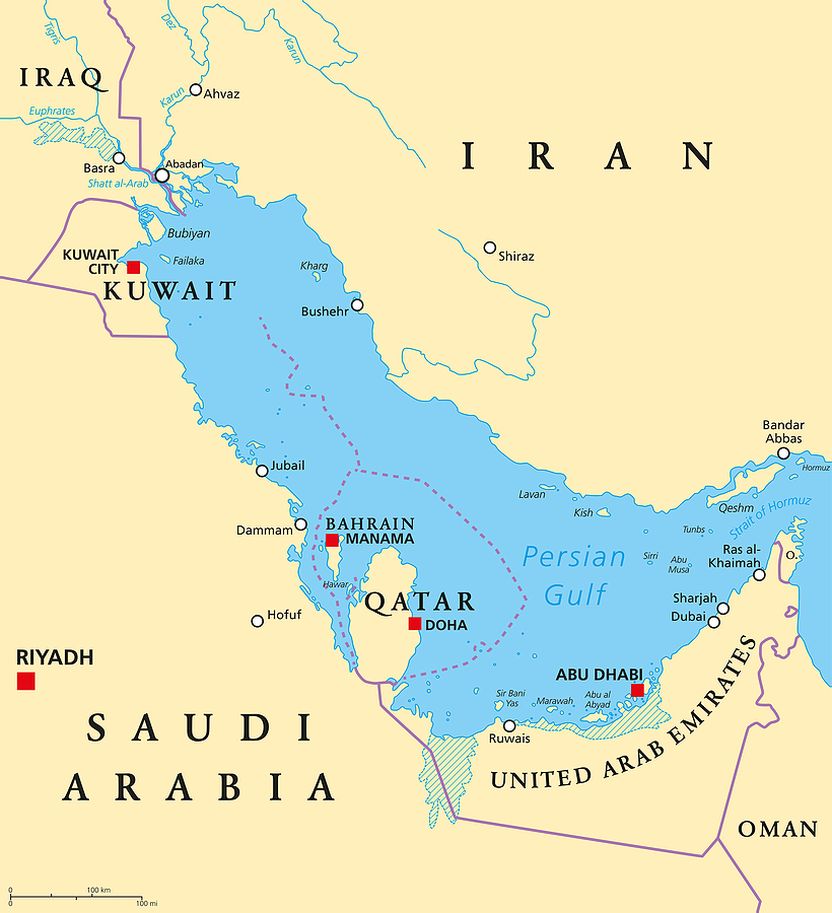
Strategists at Macquarie highlight the Iran conflict is having far-reaching impacts beyond LNG and oil, disrupting a wide range of commodities including sulphur, urea, ammonia and aluminium.
These markets are highly exposed to Middle East supply chains and shipping routes, amplifying the broader supply shock.
Outside direct effects, the broker explains second-order impacts are also emerging, particularly Asia’s heavy reliance on Middle Eastern diesel and jet fuel, which leaves the region especially vulnerable to ongoing disruptions and higher energy costs.
Over the next six to nine months, the strategists are most positive on LNG, oil products, thermal coal, aluminium and platinum, supported by supply disruptions, energy security concerns and tight inventories.
In contrast, iron ore and lead are least preferred, reflecting expected stability and excess stock levels, respectively.
Looking to the medium term, electrification metals are favoured as the energy transition continues, alongside fossil fuels where a risk premium is likely to persist.
Over the longer term, fossil fuels are expected to face structural headwinds as supply normalises and electrification accelerates.
The broker has made several material commodity pricing forecast changes.
Upward revisions reflect Middle East disruptions, with LNG forecasts lifted significantly in the near term, oil supported by outages and risk premiums, thermal coal gaining from renewed power demand, and aluminium benefiting from supply disruptions, higher energy costs, and logistical constraints.
Downward revisions are limited to lead, due to excess inventories, and alumina, where the surplus is expected to deepen.
If the conflict de-escalates in the near term, Macquarie believes the economic impact is likely to be modest, with global GDP growth slowing only slightly.
However, it’s thought a prolonged closure of the Strait of Hormuz will require prices to rise enough to destroy a historically large share of oil demand, with some regions already facing physical shortages.
Given the global economy is less oil-intensive than in past decades, this could imply real oil prices exceeding US$200/bbl for a period, cautions Macquarie, raising the risk of a sharp risk-off environment and a potential global recession.
In this scenario, growth is expected to slow materially, by around -1 percentage point relative to 2025.
Central banks would likely face stagflationary conditions, with weaker growth and elevated inflation echoing the 1970s, though government energy subsidies may help cushion the downturn and potentially avoid a full recession.
Demand risks for metals replace supply concerns
Morgan Stanley also highlights growing downward pressure in the near-term on elevated metal prices as Middle East tensions shift the focus to demand concerns from supply risks.
Industrial metals have so far pulled back less than in prior shocks, the broker explains, suggesting further downside if tensions persist, particularly alongside pre-emptive interest rate hikes.
Precious metals have also weakened, with silver underperforming and gold pressured by portfolio liquidation, a stronger US dollar and interest rate expectations, the analysts observe.
Relative performance has followed typically expected patterns, with gold outperforming silver and aluminium outperforming copper. It’s anticipated the gold price will rebound if stagflation becomes more of a concern.
Beyond the impact of Middle East developments on gold, Macquarie expects uncertainty around Federal Reserve independence to remain a key influence, particularly how closely potential future Fed Chair Kevin Warsh may align with White House pressure.
A further increase in macro uncertainty is likely needed for gold to reach new highs, in this broker’s view.
Morgan Stanley highlights the current conflict differs from the 2022 Russia-Ukraine war, with China better positioned without lockdown disruptions, less aggressive interest rate tightening to date, and inventories generally not elevated.
Separately, but also impacting on commodity markets, new property starts in China fell -23.1% year-on-year in January–February, worsening from -19.3% in December, while gross floor area (GFA) sold declined -13.5%, though this marked an improvement from -16.6% in December.
Morgan Stanley’s China property team expects further weakening in March, with Chinese property data platform Bingshan data showing rising secondary listing volumes in top-tier cities, signaling softer residential sentiment.
As a result, the team forecasts a deeper decline in home sales and expects secondary home prices to fall -8% in 2026 and -6% in 2027.
Chinese domestic steel demand and production declined early in the year, while aluminium output rose modestly with new capacity coming online, notes the broker.
Coal production dipped due to the lunar new year holiday but is recovering, with full-year output expected to remain high.
Iron ore imports remained strong with rising inventories, while coal imports edged higher, though recent price increases may reduce volumes in the near term.
In a prolonged conflict, Morgan Stanley expects energy-linked commodities such as thermal coal and uranium, along with supply-disrupted markets like aluminium, to prove most resilient, while a resolution would likely see copper and silver lead any recovery.
Morgan Stanley is Overweight South32 ((S32)) for base metals exposure, citing increasing aluminium deficits and supply disruptions, and forecasts an around -600kt copper market deficit in 2026.
For iron ore, the broker’s preference is with BHP Group ((BHP)), Deterra Royalties ((DRR)) and Rio Tinto ((RIO)), followed by Fortescue ((FMG)).
While elevated oil prices are expected to lift unit costs, lower-cost producers may benefit from better fuel efficiency.
For coal, the broker is Equal-weight Whitehaven Coal ((WHC)) on valuation, despite seasonal metallurgical coal tightness.
Macquarie notes coal is relatively insulated from the Strait’s closure, aside from higher fuel costs for mining, transport and shipping, yet thermal coal is likely to pick up some of the slack among fossil fuels for power generation, particularly in countries that still rely on coal-fired capacity.
The full story is for FNArena subscribers only. To read the full story plus enjoy a free two-week trial to our service SIGN UP HERE
If you already had your free trial, why not join as a paying subscriber? CLICK HERE