
Australia | Aug 03 2026

This story features CORE LITHIUM LIMITED, and other companies.
For more info SHARE ANALYSIS: CXO
The company is included in ASX300 and ALL-ORDS
Chinese EV sales in Australia are in a strong uptrend. This will start impacting on existing sectors and businesses.
- Chinese EV brands now dominate Australia's EV market, driven by affordability, advanced technology, and strong consumer demand.
- The EV boom presents investment opportunities in lithium mining, battery materials, charging infrastructure, and other supporting industries.
- Australia's transition to electric mobility is expected to continue, supported by climate goals, improving infrastructure, and growing consumer acceptance of EVs.
By Erick Nyamagwa
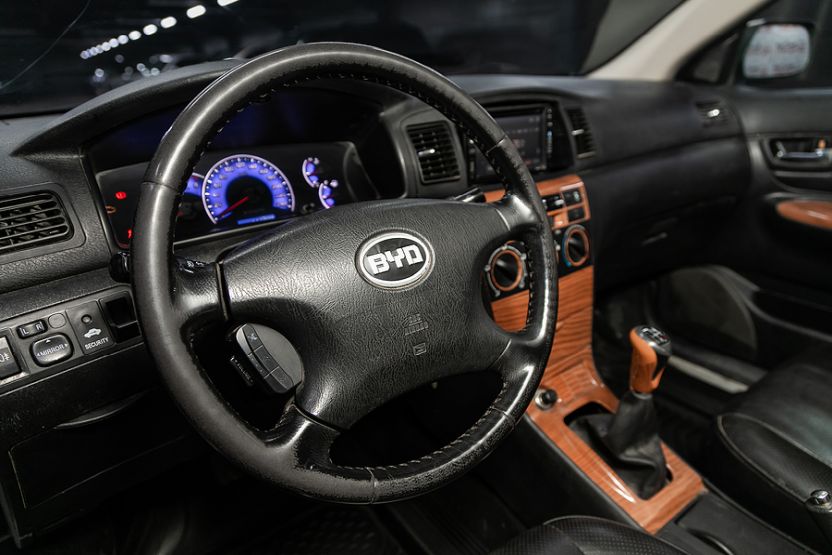
The familiar roar of gas-driven motor vehicles is slowly giving way to a quieter hum across Australia, as Australians search for efficient, classy, and affordable transport alternatives.
Chinese EVs are emerging as practical solutions. Chinese EV brands such as BYD, Geely, Zeekr, GWM, Chery, Xpeng and MG are fast earning their spot in the hall of fame in Australia, after Tesla (Model Y) vehicles, which are also manufactured in China.
Australia’s June 2026 vehicle sales have proved quite the eye-opener:
- A record 140,058 new vehicles were sold, Australia’s strongest month ever and the first above 140,000.
- BYD came within just 243 vehicles of displacing Toyota as the country’s leading brand: 18,881 sales versus 19,124.
- The Tesla Model Y became the month’s best-selling vehicle, with 8,072 registrations, ahead of the Ford Ranger and Toyota HiLux.
- Battery-electric vehicles captured almost one-quarter of the market, while BEVs, hybrids and plug-in hybrids collectively represented 49.5% of sales.
- BYD placed three models in the monthly top ten: the Sealion 7, Shark 6 and Atto 2.
For Australian investors, those June statistics reflect a major turning point in the motor vehicle industry, as EVs are pushing toward mainstream adoption in the country.
This rapid surge is posing significant implications across related industries, commodity markets, and regulatory frameworks that demand close attention.
Reasons Behind the Surge of Chinese EVs in Australia
Favourable Government Policy
Unlike other developed nations, such as the European Union and the United States (which impose up to 100% tariffs on Chinese EVs), Australia does not impose tariffs on Chinese EVs, thanks to the China-Australia Free Trade Agreement.
This is because Australia does not have a domestic vehicle manufacturing industry to protect against foreign competitors.
As a leading producer of EVs worldwide, China has capitalised on this agreement to tap into the Australian market, helping shape the country’s transition to green energy.
This policy has allowed Chinese Vehicle manufacturers and dealerships to price their EVs competitively, further accelerating their demand among Australian consumers.
Volatility in Petrol Prices
Australian motorists are switching to Chinese EVs at a rapid rate due to volatile diesel and petrol prices, driven by the conflicts in the Middle East.
Most Australian consumers also claim that the cost of maintaining an EV is lower than that of ICE (Internal Combustion Engine) vehicles.
Fuel crises, whether caused by local or international disruptions, create fuel scarcity, leading to price surges.
To cushion themselves against this ‘pain at the pump’, Australian consumers have switched to EVs, where Chinese EVs have stepped in to capture those transitioning.
Advanced Technology and Features
Chinese passenger EVs, unlike those from other foreign manufacturers, have won the hearts of many Australian consumers.
The fundamental reason is that Chinese EVs have mind-boggling technological features, such as smart driving capabilities, AI-powered cockpits, and exemplary infotainment systems that standard auto manufacturers can only benchmark against.
Especially young Australians are now viewing them more as ‘second living rooms’ due to their immersive capabilities, further driving their demand.
Competitive Pricing
According to industry statistics from CarExpert, a third of all new vehicles sold in Australia are Chinese EVs. This is because EVs from other manufacturers, especially pioneer models such as Tesla, have traditionally been perceived as expensive.
Chinese EV brands sold in the country are typically cheaper, offering Australian consumers perceived value for their money.
Consumers who once felt locked out of the market due to higher prices can now afford these models, driving demand even higher.
Implications of Chinese EVs on the Australian Automotive Sector
As Chinese EVs become more visible on Australian roads, they have challenged the status quo set by traditional petrol-driven car importers and manufacturers.
Currently, the dominant traditional vehicle importers and manufacturers, such as Mazda and Hyundai, have seen their sales decline.
Jack Sale, the founder of a leading real-time price prediction platform in Perth, says the Australian EV market is changing.
“Chinese cars are just super-popular now, and the market is completely changing in Australia,” Sales told The Guardian.
He also added more Australians are adopting these vehicles and the shift is gradually reshaping dealership models, forcing established auto sellers and importers to adjust to meet consumer demand for EVs.
Meanwhile, the soaring demand for these EVs has also impacted the used-car market, where Chinese EVs have shown attractive resale values, further encouraging adoption.
Consequently, the surge of these Chinese EVs in the country has accelerated demand for ancillary services such as charging stations, spare parts, EV maintenance, and more.
This has created new business enterprises and investment ventures for Australian investors.
Impacts on Investment Markets
A recent analysis by Morgan Stanley argues 2026 represents an inflection point for Australian electric-vehicle adoption, for all the reasons we’ve covered above.
Battery-electric vehicles represented 24% of new-car sales in June. The forecast is that BEVs will reach 40% of new sales by 2030, although they would still represent only 11% of Australia’s total vehicle fleet.
Hybrids are expected to remain important, particularly given Australia’s preference for SUVs and utes.
The transition implies passenger-vehicle fuel consumption falls by around -2.3% annually through 2030, while EV charging adds approximately 4TWh, or only 1.4%, to national electricity demand.
BEVs currently cost an estimated 8c per kilometre to operate, versus 19c for petrol and 21c for diesel vehicles, potentially encouraging more driving. The shift should reduce annual transport emissions by around -7MtCO2e by 2030 through electrification, hybrids and improved fuel efficiency.
The longer-term disruption extends beyond fuel and electricity. EVs require less conventional servicing, alter dealership economics, create demand for charging and vehicle-to-grid services, and eventually change the composition of automotive waste.
Australia currently recovers only around 70% of end-of-life vehicles and recycles about 10% of lithium-ion batteries, leaving considerable scope for investment in battery and materials recovery.
Impacts on Mining
Morgan Stanley’s report does not attribute a lot of attention to raw materials, but as the race toward electrification intensifies, it is driven by critical battery minerals such as lithium, cobalt, and nickel.
One of the minerals whose demand is increasing globally is lithium, which is used to manufacture batteries that power EVs. Luckily, Australia is the world’s leading supplier of Lithium.
According to the Australian Government, Australia’s lithium export earnings are forecast to increase from $4.8bn in FY25 to $11.2bn in FY30, supported by rising production and continued demand from electric vehicles and battery energy storage.
China remains particularly important, receiving 95% of Australia’s lithium concentrate exports in 2025.
The ASX offers plenty of options to obtain exposure to lithium, including producers Core Lithium ((CXO)), Elevra Lithium ((ELV)), IGO Ltd ((IGO)), Mineral Resources ((MIN)), Liontown ((LTR)), and PLS Ltd ((PLT)) — plus Rio Tinto ((RIO)) too.
Others could well develop into future producers, such as Delta Lithium ((DLI)), Global Lithium Resources ((GL1)), Galan Lithium ((GLN)), ioneer ((INR)), Vulcan Energy Resources ((VUL)), and Wildcat Resources ((WC8)).
A special mention goes out to WA conglomerate Wesfarmers ((WES)), owner of 50% of Covalent Lithium alongside industry leader SQM.
Covalent operates the Mt Holland mine and concentrator, which has nameplate capacity of around 380,000 tonnes of spodumene concentrate annually, and is developing/ramping up the associated Kwinana lithium hydroxide refinery.
Management recently announced both JV partners have agreed to double annual spodumene concentrate capacity from around 380,000 tonnes to 760,000 tonnes.
Construction of a second concentrator starts in the second half of 2027, with first expanded production expected in the first half of 2030.
One of the risks flagged by Morgan Stanley refers to sodium-ion batteries as a potential longer-term threat to lithium demand in smaller, lower-cost vehicles.
Impacts on Charging Infrastructure
As more Chinese EVs hit Australian roads, they require more charging infrastructure to improve mobility.
According to the Electric Vehicle Council, 80% of charging in Australia occurs at home, leaving a significant shortfall in public charging points.
Even though the situation is improving, there is still a huge demand for public EV charging points.
Impacts on Automotive Retail and Dealerships
The rapid adoption of Chinese EVs in Australia is reshaping the car market, creating both winners and losers across ASX sectors.
Winners on the ASX
The strongest beneficiary is Eagers Automotive ((APE)), Australia’s largest car dealership whose portfolio includes BYD, Australia’s second best selling brand, only preceded by Toyota.
As gas/diesel prices soar, EVs become silent beneficiaries.
Currently, Eagers sells 80% of all new BYDs in the country, and it is on an acquisition path to increase its value and tap into new markets.
A second group of winners are novated leasing companies such as Smartgroup ((SIQ)), Fleetpartners ((FPR)) and McMillan Shakespeare ((MMS)). These companies have partnered with automotive EV dealers, allowing customers to access leasing options directly from dealers rather than seeking external leasing providers.
Morgan Stanley’s report highlighted this sector as the clearest near-term beneficiaries. EVs receive preferential fringe-benefits-tax treatment under novated leases, directing a disproportionate share of EV demand through salary-packaging providers.
The full exemption has effectively been extended to April 2029, followed by a permanent -25% discount.
Currently, novated leasing is becoming popular when purchasing EVs in Australia. Eligible EVs priced below the luxury car threshold are exempt from the Fringe Benefits Tax (FBT).
Investors might note COG Financial Services ((COG)) is also active in novated leasing and salary packaging.
Morgan Stanley equally sees AGL Energy ((AGL)) and Origin Energy ((ORG)) as beneficiaries. Higher electricity consumption, EV leasing, smart tariffs, public charging and vehicle-to-grid services create growth opportunities in the here and now.
Over time, however, coordinated household batteries and EV storage could reduce peak electricity prices and compete with traditional generation assets.
Car Group ((CAR)) should benefits from a larger vehicle fleet and increased advertising by Chinese and other EV manufacturers seeking brand recognition. Longer term, direct-to-consumer distribution, lower dealer margins and potentially slower used-EV turnover could pressure dealer economics and Car’s pricing power.
Transurban ((TCL)) might also benefit as lower running costs could encourage motorists to drive further, supporting toll-road traffic. Longer term, declining fuel-excise revenue increases the likelihood of road-user charging, while autonomous vehicles provide another potential source of traffic growth.
Judging from Sims’ ((SGM)) share price and recent market updates, this company has already been recognised as a beneficiary. Electrification changes the value of scrapped vehicles towards batteries, aluminium and copper.
Morgan Stanley’s research suggests volumes will emerge slowly because internal-combustion vehicles will dominate scrappage for years, but battery recovery and improved treatment of automotive shredder residue represent longer-term opportunities.
Losers on the ASX
The influx of Chinese EVs also represents negative impact for some ASX-listed companies; already it has reduced demand for ICE vehicles and related services/parts.
Bapcor ((BAP)) is Australia’s number one wholesaler and retailer of auto parts that serve gas/diesel vehicles. With the penetration of Chinese EVs such as BYD into the Australian market, the company has raised concerns about declining demand for spare parts.
Morgan Stanley’s report doesn’t mention Bapcor, but instead focuses on competitor Super Retail Group ((SUL)), stating its Supercheap Auto chain remains supported near term by Australia’s large and ageing conventional vehicle fleet.
Longer term, EVs need fewer traditional replacement parts and less servicing, progressively reducing its addressable market unless the business expands into EV-related products and adjacent categories.
Car dealer Peter Warren Automotive ((PWR)) is equally facing headwinds. The impact should become more neutral as its portfolio adjusts, but lower servicing, finance and insurance income remain risks for traditional dealership models.
Other companies that may face indirect long-term losses are fuel and energy retailers. As EVs penetrate the market, these companies may experience structural declines because EVs will displace ICE vehicles.
Those risks for Ampol ((ALD)) and Viva Energy ((VEA)) are also highlighted by Morgan Stanley. Passenger fuel volumes are forecast to decline by -2.3% annually to 2030, reducing petrol-station visits and convenience-store foot traffic.
Refining is less directly affected because both companies can reduce imports and their refineries also supply aviation, marine, industrial and heavy-vehicle markets. Charging networks and convenience retail provide mitigation, with Ampol’s greater highway exposure potentially advantageous.
Morgan Stanley’s research also identified companies for whom any impact is indirect or with a less defined outcome:
- ARB Corp ((ARB)): Drivetrain changes have little effect on its principal four-wheel-drive accessories, provided ARB continues developing products for electric SUVs and utes such as the BYD Shark.
- Cleanaway Waste Management ((CWY)): Current exposure to passenger-vehicle waste is small, making the near-term effect limited. Battery, tyre, oil and hazardous-waste recovery could become more relevant over time.
- Insurers Insurance Australia Group ((IAG)), Suncorp Group ((SUN)) and QBE Insurance ((QBE)): EVs generally attract higher insurance premiums because repair costs are higher, but increased claims severity may absorb much of that benefit. The net earnings impact therefore depends on underwriting and pricing discipline.
Risks and Challenges
Despite the popularity of Chinese EVs in Australia, they still face significant challenges. For instance, some consumers complain that repairs take months, especially for newer models, due to a lack of established spare parts distribution outlets in the country.
There are also concerns that Chinese EVs are being used as mobile surveillance devices. Consumers claim these cars are connected with cameras, trackers, and sensors that record and transfer data to manufacturers, posing a serious cybersecurity threat to users.
Such challenges call for investor vigilance, as they can disrupt supply chains and affect the profitability of manufacturers and related companies.
Long-term Outlook
Currently, there is an influx of Chinese EVs in Australia, driven by favourable government incentives (zero tariffs on Chinese Imports), affordability, increased consumer demand, and the amazing tech these vehicles offer.
Notably, Chinese EVs align with Australia’s goal of reducing the country’s carbon footprint, as the transport sector is the second-largest carbon emitter in Australia.
While the market may appear solid, it may face headwinds such as a shortage of qualified EV technicians, oversaturation, and a potential local spare-parts deficit.
But if projections, such as those put forward by Morgan Stanley, prove accurate, traffic on Australian roads will increasingly consist of EVs.
Find out why FNArena subscribers like the service so much: “Your Feedback (Thank You)” – Warning this story contains unashamedly positive feedback on the service provided.
FNArena is proud about its track record and past achievements: Ten Years On
Click to view our Glossary of Financial Terms
CHARTS
For more info SHARE ANALYSIS: AGL - AGL ENERGY LIMITED

For more info SHARE ANALYSIS: ALD - AMPOL LIMITED
For more info SHARE ANALYSIS: APE - EAGERS AUTOMOTIVE LIMITED
For more info SHARE ANALYSIS: ARB - ARB CORPORATION LIMITED
For more info SHARE ANALYSIS: BAP - BAPCOR LIMITED
For more info SHARE ANALYSIS: CAR - CAR GROUP LIMITED
For more info SHARE ANALYSIS: COG - COG FINANCIAL SERVICES LIMITED
For more info SHARE ANALYSIS: CWY - CLEANAWAY WASTE MANAGEMENT LIMITED
For more info SHARE ANALYSIS: CXO - CORE LITHIUM LIMITED
For more info SHARE ANALYSIS: DLI - DELTA LITHIUM LIMITED
For more info SHARE ANALYSIS: ELV - ELEVRA LITHIUM LIMITED
For more info SHARE ANALYSIS: FPR - FLEETPARTNERS GROUP LIMITED
For more info SHARE ANALYSIS: GL1 - GLOBAL LITHIUM RESOURCES LIMITED
For more info SHARE ANALYSIS: GLN - GALAN LITHIUM LIMITED
For more info SHARE ANALYSIS: IAG - INSURANCE AUSTRALIA GROUP LIMITED
For more info SHARE ANALYSIS: IGO - IGO LIMITED
For more info SHARE ANALYSIS: INR - IONEER LIMITED
For more info SHARE ANALYSIS: LTR - LIONTOWN LIMITED
For more info SHARE ANALYSIS: MIN - MINERAL RESOURCES LIMITED
For more info SHARE ANALYSIS: MMS - MCMILLAN SHAKESPEARE LIMITED
For more info SHARE ANALYSIS: ORG - ORIGIN ENERGY LIMITED
For more info SHARE ANALYSIS: PLT - PLENTI GROUP LIMITED
For more info SHARE ANALYSIS: PWR - PETER WARREN AUTOMOTIVE HOLDINGS LIMITED
For more info SHARE ANALYSIS: QBE - QBE INSURANCE GROUP LIMITED
For more info SHARE ANALYSIS: RIO - RIO TINTO LIMITED
For more info SHARE ANALYSIS: SGM - SIMS LIMITED
For more info SHARE ANALYSIS: SIQ - SMARTGROUP CORPORATION LIMITED
For more info SHARE ANALYSIS: SUL - SUPER RETAIL GROUP LIMITED
For more info SHARE ANALYSIS: SUN - SUNCORP GROUP LIMITED
For more info SHARE ANALYSIS: TCL - TRANSURBAN GROUP LIMITED
For more info SHARE ANALYSIS: VEA - VIVA ENERGY GROUP LIMITED
For more info SHARE ANALYSIS: VUL - VULCAN ENERGY RESOURCES LIMITED
For more info SHARE ANALYSIS: WC8 - WILDCAT RESOURCES LIMITED
For more info SHARE ANALYSIS: WES - WESFARMERS LIMITED